
Original Abstract Landscape Paintings: Structure & Style
Introduction
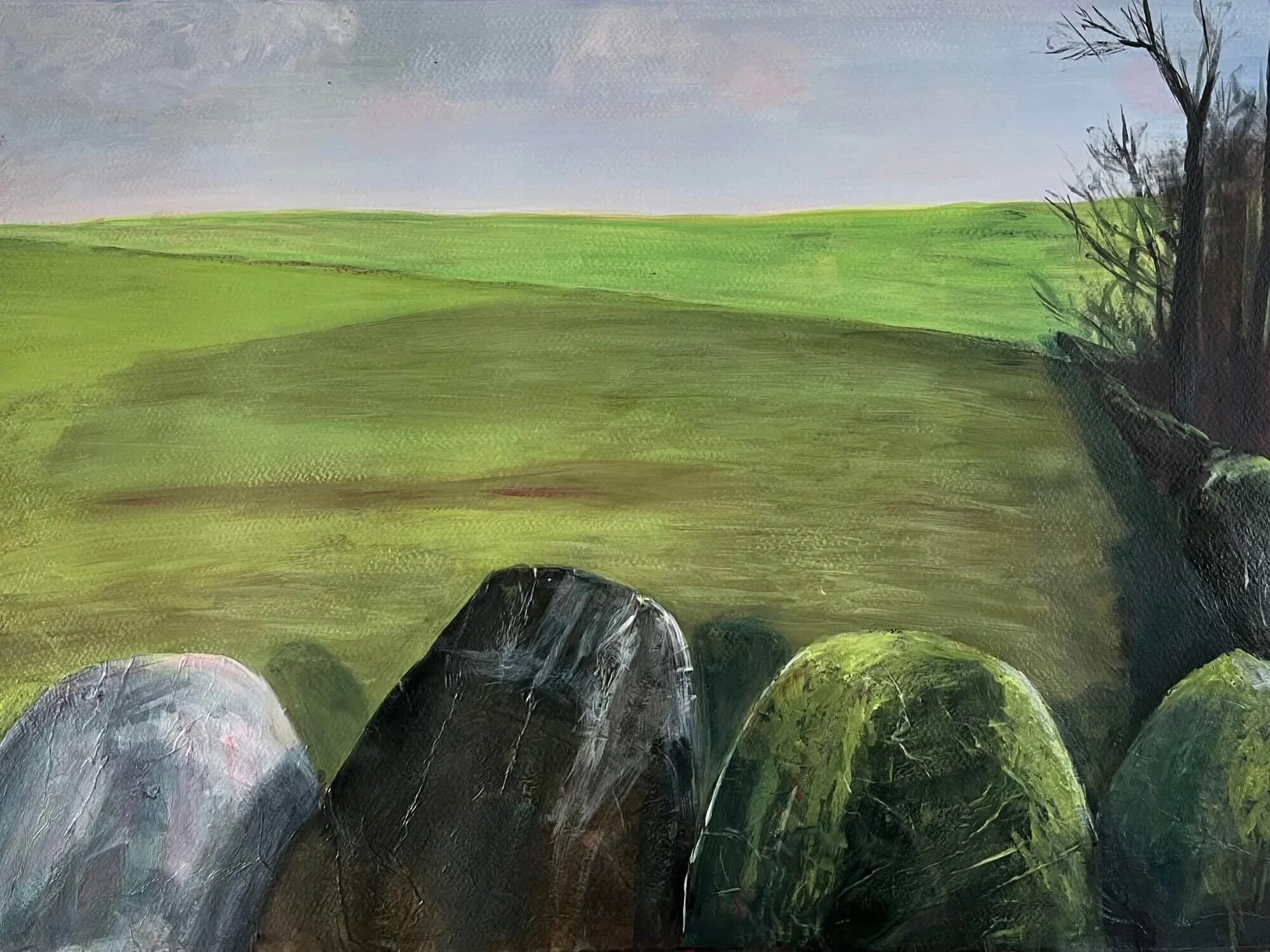
Original abstract landscape paintings sit in a space between observation and interpretation. They do not attempt to describe a place directly, but instead distil it — reducing landscape to structure, balance and controlled variation.
Rather than reproducing what is seen, contemporary landscape paintings are built through decisions: what to include, what to remove, and how to hold the composition together. The result is a painting that feels grounded, but not literal — recognisable in essence, yet open to interpretation.
For collectors, original abstract landscapes offer something distinct. They are not decorative reproductions, but physical objects shaped by process, material and intent. Each work carries the marks of its making — layers, adjustments and revisions that cannot be replicated.
What Defines an Abstract Landscape Painting
Beyond Representation: Moving Away from Literal Landscape
In traditional landscape painting, the aim is often to depict a place — a valley, a coastline, a horizon. In abstract landscape painting, that objective shifts.
The landscape becomes a starting point rather than a destination. Elements such as horizon lines, land mass and spatial depth remain, but they are simplified, rearranged or fragmented. The painting no longer describes a location; it suggests one.
This shift allows the work to move beyond documentation and into interpretation.
Structure Before Image: How Composition Holds the Work
At the core of strong abstract landscape painting is structure.
Before colour or detail is considered, the composition must hold — the balance of shapes, the placement of weight, and the relationship between areas of tension and rest. This underlying framework is what allows the painting to function without relying on recognisable imagery.
In many contemporary approaches, including my own, this structure is established early and reinforced throughout the process. Edges are adjusted, divisions are clarified, and the composition is refined until it feels resolved.
Distilling Nature: Reduction, Editing and Control
Abstraction involves reduction.
Instead of adding more detail, the process often moves in the opposite direction — removing, simplifying and editing until only essential elements remain. This might mean reducing a complex landscape into a series of planes, or limiting colour to a controlled palette.
The challenge is not what to include, but what to leave out.
The Artist’s Hand: Why Original Matters
An original painting carries evidence of its making.
Surface variation, subtle shifts in colour, scraped passages, and layered marks all contribute to a sense of depth and presence. These qualities cannot be reproduced in prints or digital copies.
For collectors, this physicality is part of the value. The painting is not just an image, but an object shaped through time and process.
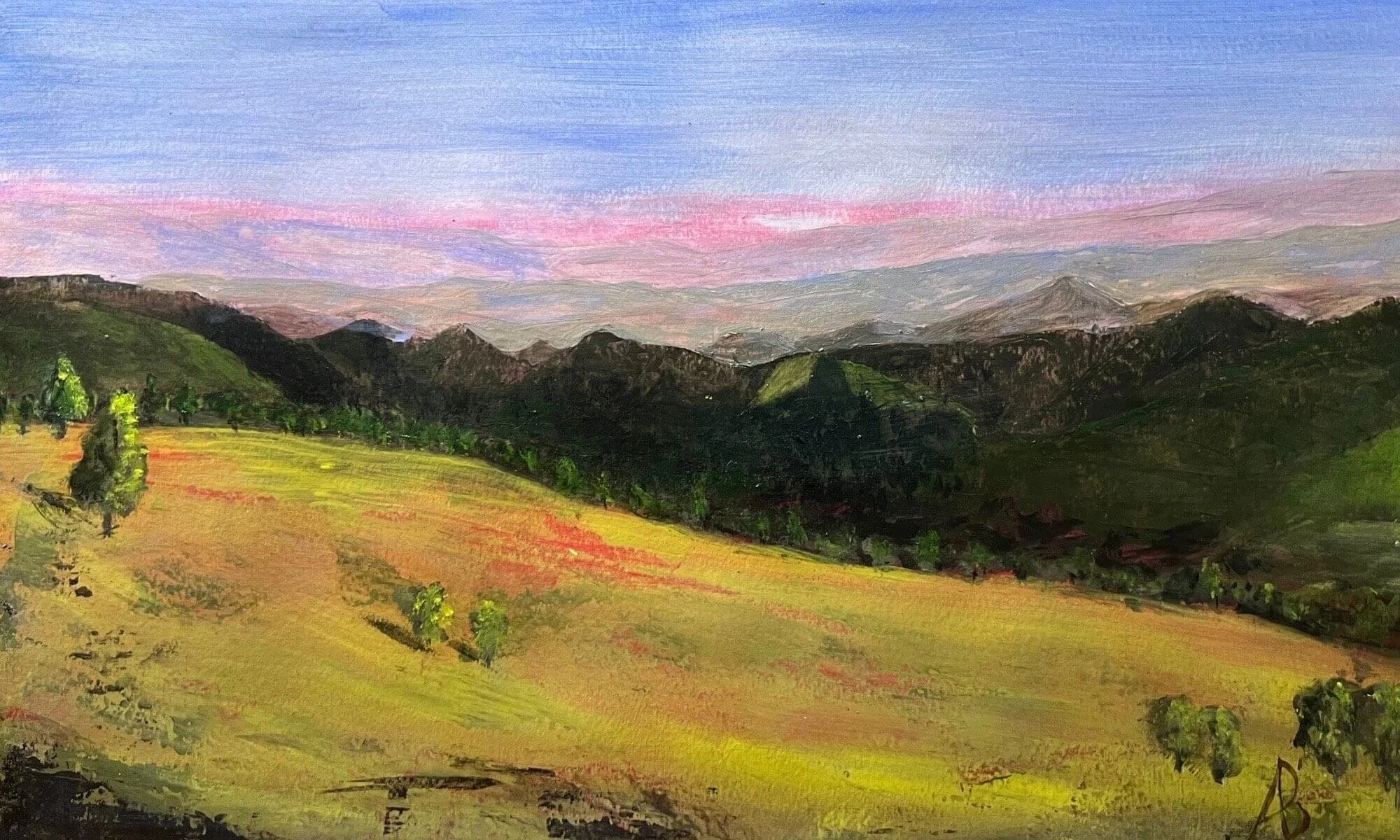
Abstract landscape painting showing strong composition and structural balance
Where Abstract Landscape Painting Sits in Contemporary Art
Abstract landscape painting occupies a distinct position within contemporary art. It sits between representation and pure abstraction — retaining a connection to place, while moving beyond direct depiction. So, what makes a contemporary landscape painting?
Unlike traditional landscape painting, which often focuses on describing a specific location, contemporary abstract landscape work is concerned with structure, balance and interpretation. Horizon lines, spatial divisions and tonal relationships remain, but they are simplified and reorganised to form a new visual language.
This approach allows the work to engage with both landscape tradition and modern abstraction. It acknowledges the history of landscape painting, while removing the need to reproduce it. The result is a form of painting that feels grounded, yet open — recognisable in its underlying structure, but not fixed to a single place.
Within contemporary interiors, this balance makes abstract landscape paintings particularly versatile. They offer presence and depth without dominating a space through literal imagery. Instead, they hold attention through composition, material and subtle variation — qualities that reveal themselves gradually over time.
How Abstract Landscape Paintings Are Created
Starting Points: Place, Memory and Observation
Although abstract, these works often begin with real environments — moorland, coastline, or built landscapes.
Rather than working directly from a scene, the artist may draw from memory, sketches or impressions. This creates space for interpretation, allowing the painting to evolve beyond a specific location.
Materials and Surface: Texture, Acrylic and Process
Material plays a significant role in the textured acrylic landscape painting process.
Working in acrylic, often on heavyweight paper or board, allows for layering, scraping and reworking. Texture becomes part of the composition — not added decoration, but an integral element of the surface.
Areas may be built up and then removed, revealing earlier layers and creating subtle variation across the painting.
Building the Painting: Layer, Removal and Adjustment
The process is rarely linear.
Paint is applied, adjusted, partially removed and reworked. Edges are softened or sharpened, colours are muted or intensified, and sections are revisited multiple times.
This iterative process allows the painting to develop gradually, with each stage informing the next.
Intuition and Control: Knowing When to Stop
One of the most difficult aspects of abstract painting is knowing when the work is finished.
Too much control can make the painting feel rigid; too little can leave it unresolved. The balance lies somewhere between — where the composition holds, but retains a sense of openness.
Approaches to Abstract Landscape Painting
Minimalist Landscapes: Reduction and Space
Minimalist abstract landscapes focus on reduction.
Large areas of space, limited colour palettes and simplified forms create a sense of calm and clarity. These works rely heavily on composition, with small shifts in placement having a significant impact.
Urban Abstraction: Structure, Edges and Geometry
Urban-inspired abstract landscapes introduce a more structured language.
Geometric divisions, harder edges and built forms create a different kind of tension — one that reflects architectural influence rather than natural flow.
This approach often aligns with a stronger emphasis on composition and spatial organisation.
Expressive Abstraction: Movement and Energy
At the opposite end of the spectrum, expressive abstraction prioritises movement.
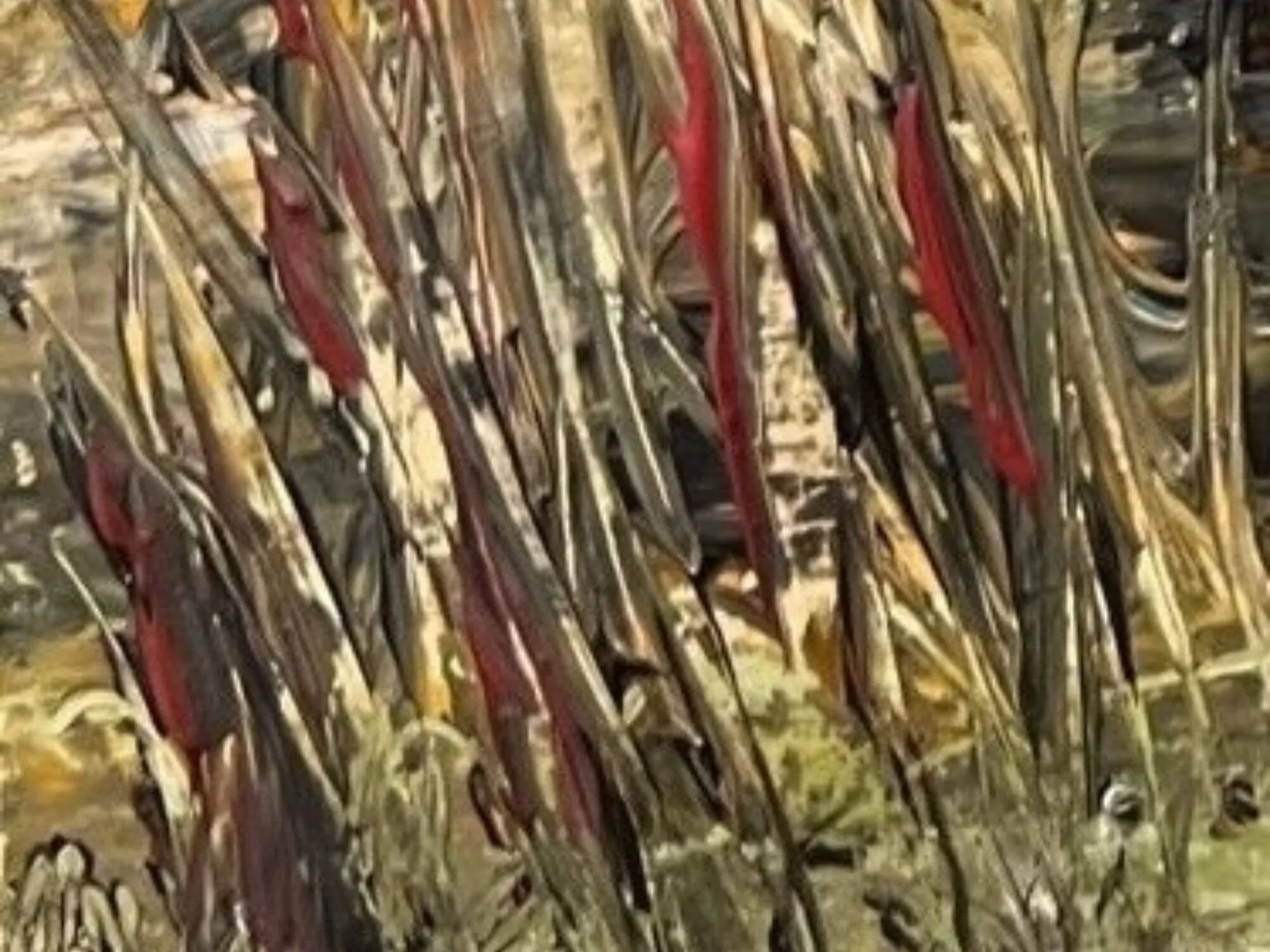
Brush marks become more visible, colour is used more freely, and the painting carries a greater sense of spontaneity. While still rooted in landscape, the emphasis shifts toward gesture and energy.
Why Collect Original Abstract Landscape Paintings
Original vs Prints: Presence, Depth and Value
There is a fundamental difference between an original painting and a print.
An original carries depth — both visually and physically. Layers of paint, subtle variations in tone, and surface texture create a presence that cannot be replicated.
For collectors, this distinction is significant. The value lies not only in the image, but in the object itself.
Connection: Living with a Painting Over Time
Abstract landscape paintings often reveal themselves gradually.
Over time, new relationships within the composition become apparent — shifts in colour, balance and form that were not immediately obvious. This evolving experience is part of what makes original work compelling.
Uniqueness: No Two Works Are the Same
Every original painting is singular.
Even within a consistent body of work, variations in process, decision-making and material ensure that no two pieces are identical. This uniqueness adds to both the value and the personal connection between the work and its owner.
👉 Original abstract landscape paintings for sale.
What to Look for When Buying Abstract Landscape Art
Authenticity and Artist Identity
Understanding the artist’s approach and body of work provides context for the painting.
Consistency in style, process and intention helps establish authenticity, giving confidence in the work being considered.
Surface, Texture and Craftsmanship
Look closely at the surface.
Subtle variations, layered marks and evidence of reworking indicate a considered process. These details contribute to the depth and longevity of the painting.
Composition and Balance
Even in abstraction, composition remains central.
A strong painting will feel balanced, with a clear relationship between its elements. This is often sensed intuitively — the work simply holds together.
Personal Response: The Final Decision
Ultimately, the decision to acquire a painting is personal.
Beyond technical considerations, the work should resonate — creating a sense of connection that justifies its place within a space.
Living with Abstract Landscape Paintings
Placement, Space and Light
Abstract landscapes interact with their surroundings.
Light, wall colour and surrounding space all influence how the painting is perceived. Allowing the work room to breathe enhances its presence.
How Paintings Change Over Time
As light conditions shift and familiarity grows, the painting may appear different.
Subtle details emerge, relationships within the composition evolve, and the work continues to engage over time.
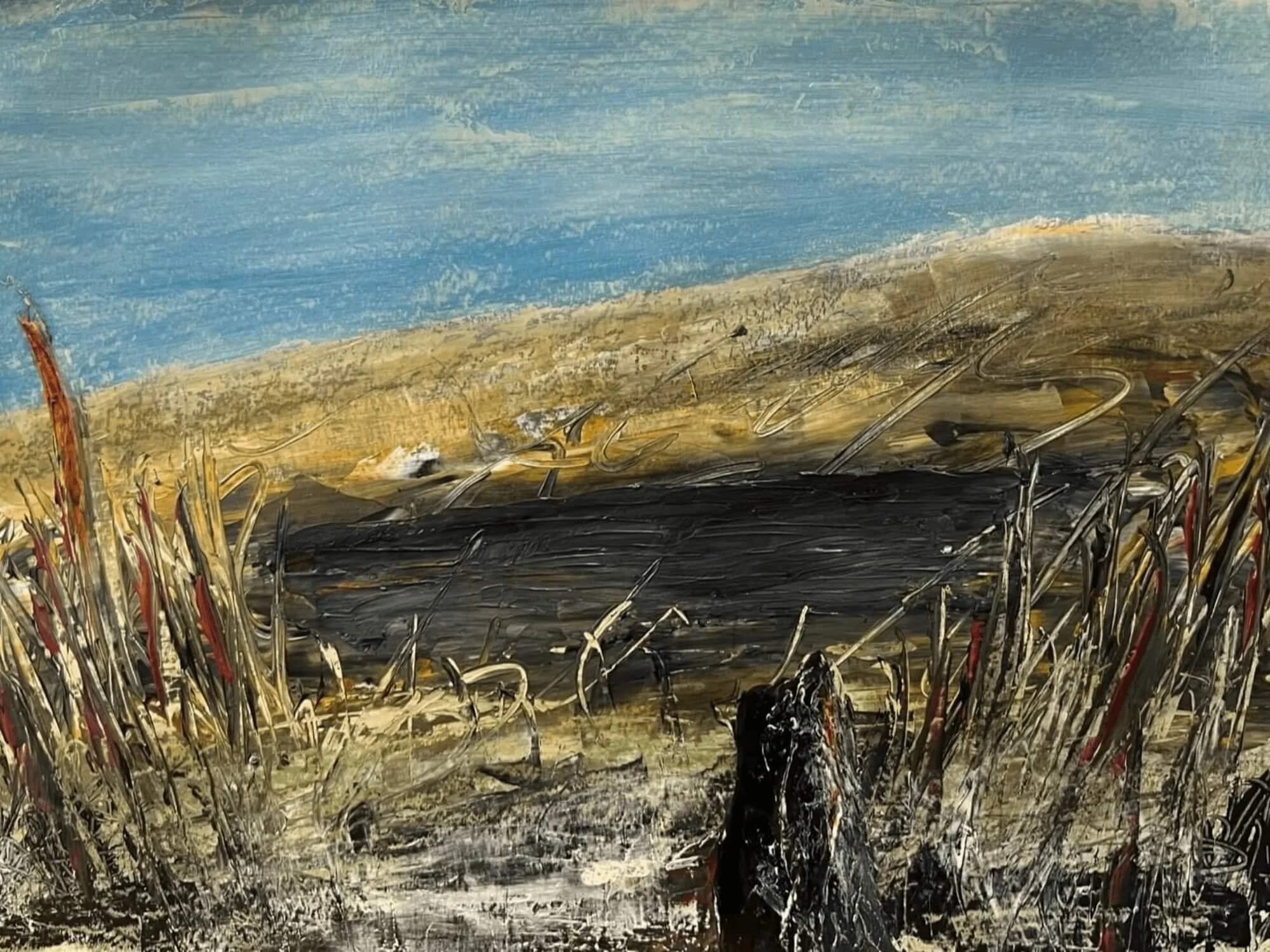
Standing Ground
Conclusion
Original abstract landscape paintings occupy a unique position within contemporary art. They are not bound by representation, yet remain rooted in place — shaped by structure, process and interpretation.
For those who choose to live with them, they offer more than visual interest. They provide a sustained experience — one that develops over time, revealing depth through both material and meaning.
Frequently Asked Questions
-
An abstract landscape painting interprets elements of landscape — such as space, horizon and form — without depicting them literally.
-
Original paintings offer depth, texture and uniqueness that cannot be replicated in prints, giving them greater presence and long-term value.
-
Yes. Their simplified forms and controlled compositions often complement contemporary spaces particularly well.
-
Original works typically include evidence of process, surface variation and are often accompanied by provenance or certification from the artist.